Setting Up a Cat Room: The Complete Guide
How to design a dedicated room that meets all of your cat's needs.
A dedicated cat room gives your cat a safe space to retreat, play, and relax on their own terms. Whether you're working with a spare bedroom, a large closet, or a converted sunroom, this step-by-step guide covers exactly what to include and how to lay it out.
Table of Contents
1. Choosing the Right Room
The best cat room has three qualities: a window with natural light, climate control (heating and cooling), and a door you can open or close as needed. Beyond that, size matters less than you think. Cats care more about vertical space than floor area — an 8x10 room with wall shelves and a tall cat tree feels like a mansion to a cat.
Best room choices: Spare bedroom, home office you share with your cat, converted sunroom (if climate-controlled), or a large walk-in closet (with ventilation).
Avoid: Rooms without windows (no stimulation, no natural light), rooms with no climate control (garages, unfinished basements), and rooms far from where your family spends time (cats want to be near their humans, even if they seem independent).
2. The Essentials Checklist
Every cat room needs these six things:
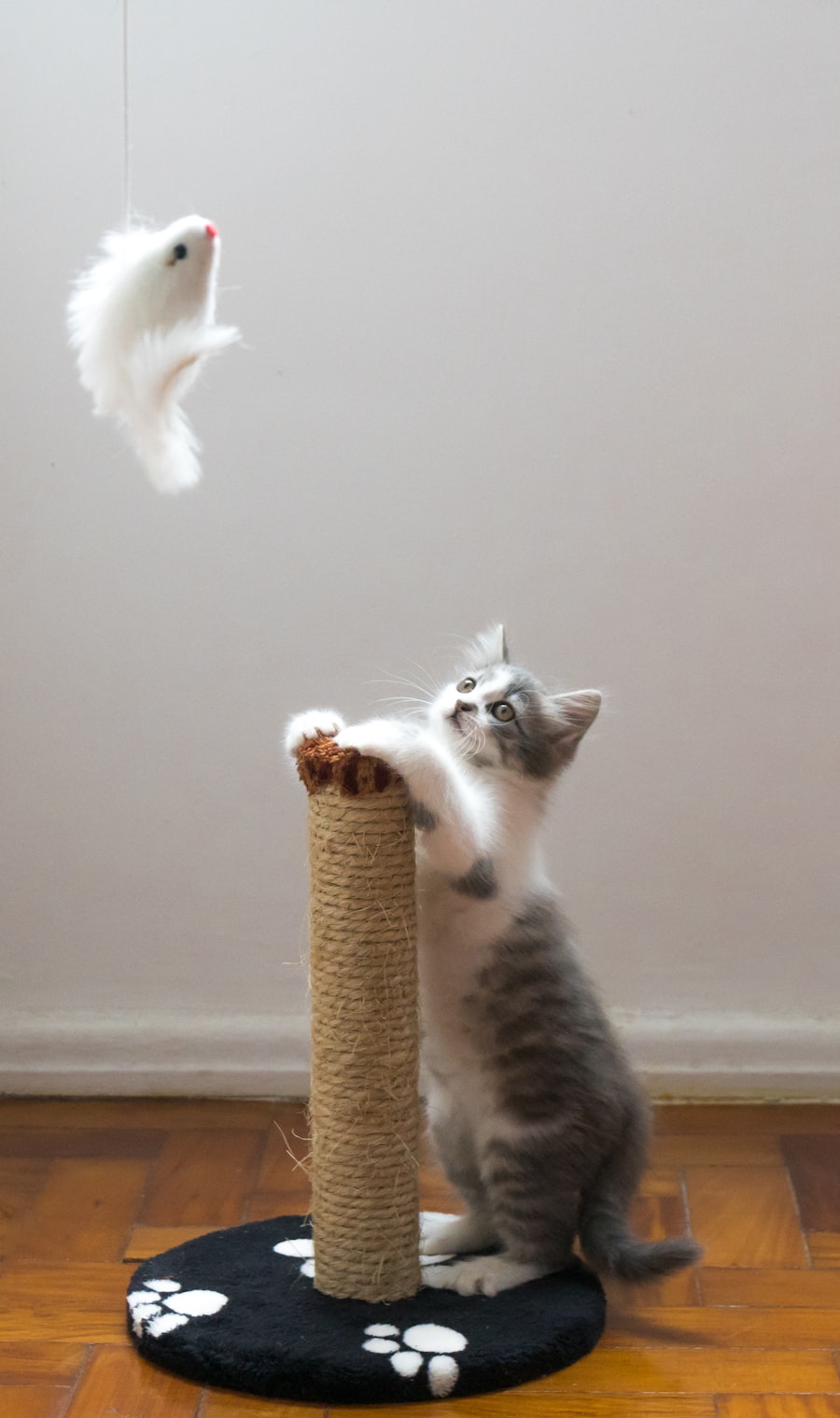
- Cat tree or climbing structure. This is the centerpiece. Place it near the window for maximum appeal. A tree with platforms, condos, and sisal posts covers climbing, hiding, and scratching in one piece. See our best cat trees roundup for options.
- Litter box. Place it in the corner farthest from food and water, with at least 5 feet of separation. A covered box or a self-cleaning litter box keeps odor manageable in a smaller room. Put a litter mat underneath to contain tracking.
- Food and water station. Use a raised feeder to prevent neck strain and a water fountain to encourage hydration. Place this on the opposite side of the room from the litter box.
- Scratching surfaces. Even if your cat tree has sisal posts, add at least one standalone scratching post in a different location. Cats prefer having scratching options at multiple points in their territory.
- Resting spots. A cat bed or padded perch at a different height than the cat tree gives your cat options. Cats like choosing where to nap based on temperature, light, and mood.
- Toys and enrichment. Rotate a selection of interactive toys. Keep 3-4 out at a time and swap them weekly to maintain novelty.
3. Room Layout Strategy
Think of the room in zones. Cats naturally separate their living areas, and your layout should respect that:
Window zone (high activity): Cat tree, wall shelves, window perch. This is the entertainment center — your cat will spend 60-70% of their waking time here watching the world outside.
Rest zone (quiet corner): Cat bed, a cozy enclosed space or covered box. Away from the window and door. This is where your cat retreats when they want solitude.
Play zone (open floor): Leave open floor space in the center or near the door for running, playing with toys, and zoomies. Don't fill every square foot with furniture.
Utility zone (far corner): Litter box and litter mat. As far from food/water and the rest zone as the room allows. Good ventilation near this area helps with odor.
Food zone (opposite wall from litter): Food bowl, water fountain, feeding mat. Against a wall so bowls don't get pushed around.
4. Enrichment and Entertainment
A room full of furniture isn't enough — your cat needs mental stimulation. Here's what actually works for indoor enrichment:
- Bird feeder outside the window. This is the single best enrichment investment. Mount a bird feeder visible from the cat tree's top platform and your cat gets hours of free entertainment daily.
- Puzzle feeders. Instead of a food bowl, use puzzle feeders for part of your cat's meals. This turns eating into a 15-minute activity instead of a 30-second one.
- Rotating toy library. Keep 10-15 toys total but only put out 3-4 at a time. Swap them every 5-7 days. Toys your cat hasn't seen in a week feel new again.
- Cat TV or aquarium. A tablet playing bird videos or a small fish tank provides passive entertainment. Position it where your cat can watch comfortably.
- Catnip and silvervine. Fresh catnip plants or silvervine sticks provide sensory enrichment. About 70% of cats respond to catnip; silvervine appeals to an even wider percentage.
For a deeper dive, read our complete enrichment guide.
5. Safety Considerations
Before your cat enters the room, do a safety pass:
- Cover or remove all exposed electrical cords.
- Remove toxic plants — only keep cat-safe greenery like cat grass or spider plants.
- Secure the window screen so it can't be pushed out by a leaning cat.
- Remove small objects that could be swallowed (coins, rubber bands, earbuds).
- If the room has blinds, secure or remove blind cords (strangulation hazard).
- Check that furniture can't tip over if a cat jumps on it — anchor tall bookshelves to the wall.
For a full room-by-room safety checklist, see our cat-proofing guide.
Quick Tips
- A window with natural light is the most important feature — don't set up a cat room in a windowless space.
- Separate litter and food by at least 5 feet — cats won't eat near their toilet.
- Leave the door open when you're home so your cat can socialize or retreat by choice.
- Mount a bird feeder outside the window for hours of free enrichment.
- Rotate toys weekly to maintain novelty without buying new ones constantly.
- Leave open floor space — don't fill every square foot with cat furniture.
Frequently Asked Questions
What size room does a cat need?
Even a small room (8x10 feet) works well as a cat room. What matters more than floor space is vertical territory — cat trees, wall shelves, and perches make a small room feel large to a cat. The key is that the room has a window for natural light and stimulation.
Should the litter box be in the cat room?
You can place one litter box in the cat room, but it shouldn't be right next to food and water. Keep at least 5 feet between litter and food stations. If your cat has access to the rest of the house, having a second litter box in another location is ideal.
Do cats like having their own room?
Most cats appreciate having a dedicated space, especially anxious or timid cats. However, the door should stay open when you're home so the cat can choose to be social. A cat room works best as a safe retreat, not a permanent enclosure.
What temperature should a cat room be?
Cats are comfortable between 65-80 degrees F (18-27 degrees C). Most prefer the warmer end. Ensure the room has adequate climate control — a room that gets extremely hot in summer or cold in winter without HVAC isn't suitable as a primary cat space.