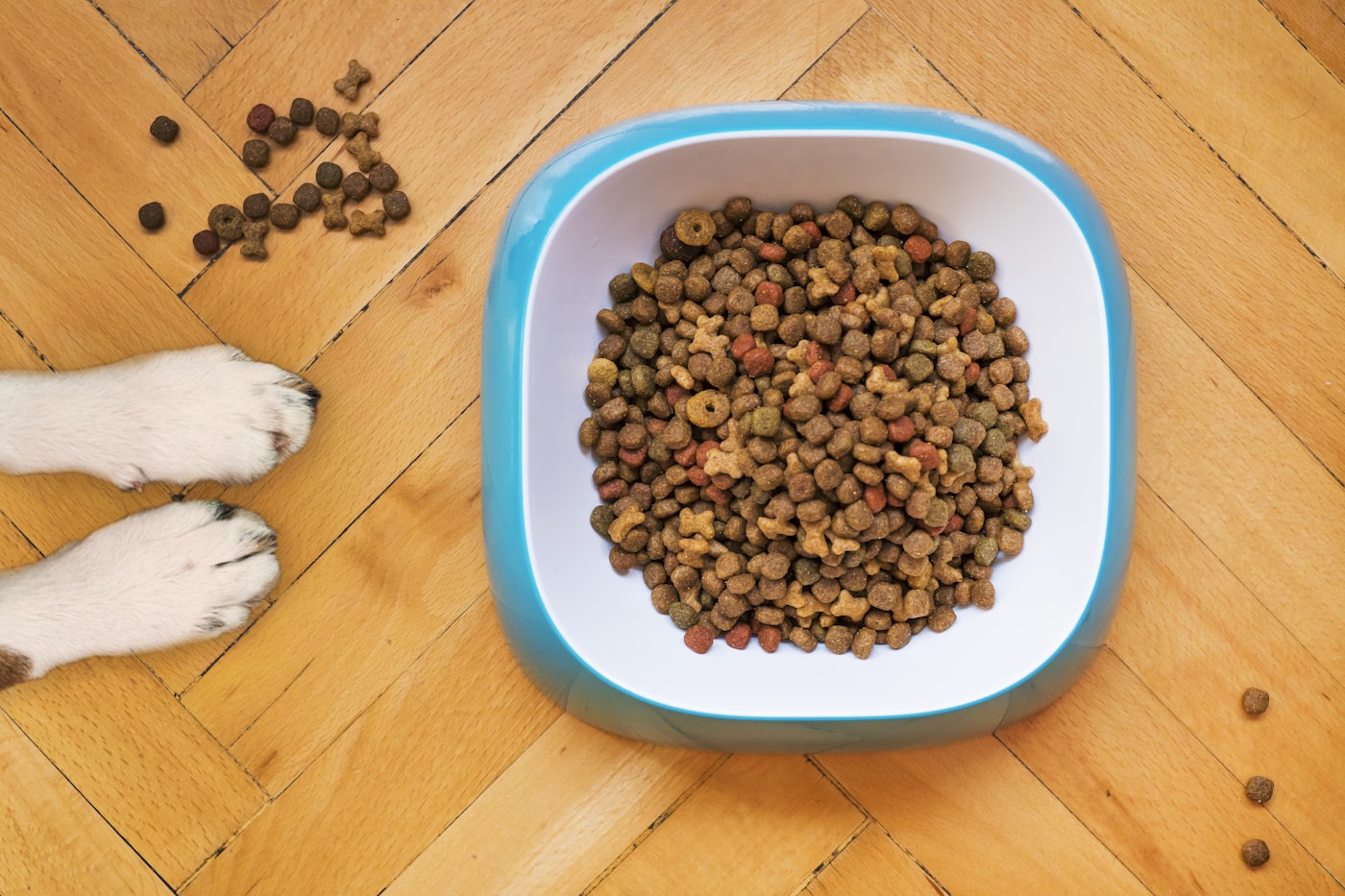
Cat Food Ingredients Guide: What to Look For (and Avoid)
How to read cat food labels and identify quality ingredients vs fillers.
Cat food labels are confusing by design. Terms like "natural," "premium," and "human-grade" are marketing language, not regulated nutritional claims. This guide teaches you exactly which ingredients matter, which are red flags, and how to read a cat food label in under 30 seconds.
Table of Contents
1. How to Read a Cat Food Label
Cat food ingredients are listed in descending order by weight before processing. The first ingredient makes up the largest portion. Here's the 30-second check:
- First ingredient: Should be a named animal protein (chicken, turkey, salmon, etc.). If it's corn, wheat, or "meat by-products," skip it.
- First three ingredients: At least two should be animal proteins or animal-derived. This tells you the food is genuinely meat-focused, not a grain product with meat flavoring.
- Scan for red flags: Artificial colors, artificial preservatives (BHA, BHT), propylene glycol, or unnamed "animal" sources.
- Check the guaranteed analysis: Protein should be at least 30% (dry food) or 8% (wet food). Fat should be at least 9% (dry) or 3% (wet).
- Look for AAFCO statement: This confirms the food meets minimum nutritional requirements. Without it, the food hasn't been formulated or tested as a complete diet.
2. Ingredients to Look For
Named whole proteins: Chicken, turkey, salmon, duck, beef, rabbit, venison. "Whole" means the actual meat, not a processed derivative. These provide essential amino acids cats need as obligate carnivores.
Named meals: "Chicken meal" or "salmon meal" is actually more protein-dense than whole chicken because the water has been removed. Named meals (where the animal is specified) are a good ingredient. Unnamed "poultry meal" or "meat meal" is less reliable.
Organ meats: Chicken liver, beef heart, chicken gizzards. These are nutrient-dense superfoods for cats, rich in taurine (essential for heart health), B vitamins, and minerals. Don't shy away from organ meats on ingredient lists.
Fish oil or flaxseed: Sources of omega-3 and omega-6 fatty acids that support skin, coat, and joint health.
Taurine: An essential amino acid that cats cannot produce on their own. All complete cat foods must contain it, but seeing it listed confirms the formulation covers this critical need.
Pumpkin or sweet potato: Gentle fiber sources that support digestive health without the inflammatory concerns of grain-based fillers.
3. Red Flag Ingredients to Avoid
Artificial preservatives (BHA, BHT, ethoxyquin): These are linked to health concerns in long-term studies. Look for foods preserved with mixed tocopherols (vitamin E) or rosemary extract instead.
Artificial colors (Red 40, Yellow 5, Blue 2): Cats don't care what color their food is. Artificial dyes serve no nutritional purpose and are added solely for human appeal.
Unnamed protein sources: "Meat by-products," "animal fat," "animal digest," "poultry meal" — when the animal isn't named, the source can vary batch to batch. This makes the food inconsistent and potentially low quality.
Propylene glycol: Used as a moisture-retaining additive in some semi-moist foods. The FDA has banned it in cat food due to toxicity concerns, but it occasionally appears in treats.
Excessive carrageenan: A thickener in wet food. In large amounts, it may cause intestinal inflammation. Small amounts are generally considered safe, but if your cat has digestive sensitivity, avoid it.
Corn gluten meal as a primary protein: This is a cheap way to boost protein numbers on the label without providing animal-based amino acids. Cats need animal protein specifically — plant protein is a poor substitute for obligate carnivores.
4. The Filler Debate
"Fillers" is a loaded term. Some ingredients labeled as fillers serve real nutritional purposes:
Rice: Easily digestible carbohydrate. Not ideal as a primary ingredient, but acceptable in small amounts for energy and fiber. Better than corn or wheat for cats with grain sensitivities.
Peas and lentils: Provide fiber and some protein. Common in grain-free formulas. Fine in moderation but shouldn't dominate the ingredient list.
Actual fillers to avoid: Corn gluten meal, wheat gluten, cellulose (powdered wood fiber), and brewer's rice (broken rice fragments) as primary ingredients. These add bulk without meaningful nutrition for cats.
The bottom line: a small amount of plant-based ingredients for fiber and binding is normal and fine. But the bulk of the food should be animal-based for an obligate carnivore.
5. Understanding Guaranteed Analysis
The guaranteed analysis shows minimum protein, minimum fat, maximum fiber, and maximum moisture. Here's what to aim for:
| Nutrient | Dry Food | Wet Food |
|---|---|---|
| Protein (minimum) | 30%+ (aim for 40%+) | 8%+ (aim for 10%+) |
| Fat (minimum) | 9%+ | 3%+ |
| Fiber (maximum) | Under 5% | Under 1.5% |
| Moisture (maximum) | Under 12% | 75-82% |
Important note: wet food and dry food percentages aren't directly comparable because of moisture content. To compare them fairly, you need to calculate the "dry matter basis" — remove the water from both and compare the remaining nutrients. On a dry matter basis, many wet foods actually have more protein than dry foods.
For specific product picks, check our best cat food roundup or our guide on wet vs dry food.
Quick Tips
- First ingredient should always be a named animal protein — chicken, salmon, turkey, etc.
- Named by-products (chicken liver, beef heart) are fine; unnamed "meat by-products" are not.
- Skip any food with artificial colors or BHA/BHT preservatives.
- The AAFCO statement confirms the food is nutritionally complete — always check for it.
- Don't compare wet and dry food protein percentages directly; convert to dry matter basis first.
- Grain-free isn't automatically better — focus on protein quality over grain presence.
Frequently Asked Questions
What should the first ingredient in cat food be?
A named animal protein — chicken, turkey, salmon, beef. Avoid foods where the first ingredient is a grain or a vague term like "meat by-products."
Are by-products bad in cat food?
Named by-products (like chicken by-products) aren't inherently bad — they include nutrient-rich organ meats. Unnamed "meat by-products" are a red flag because the source is inconsistent.
Is grain-free cat food better?
Not necessarily. Grain-free formulas often replace grains with other starches like potatoes or peas. Focus on high protein content and named meat sources rather than grain-free labeling.
What cat food ingredients are harmful?
Avoid artificial preservatives (BHA, BHT, ethoxyquin), artificial colors, propylene glycol, and excessive carrageenan. Also watch for unnamed animal fat or animal digest.
How much protein should cat food have?
Minimum 26% for adults and 30% for kittens (dry matter basis). Higher is generally better — look for 40%+ protein on a dry matter basis.